
01 Text
Bring the scene in
Paste prose, dialogue, or script notes. Daodri breaks the chapter into workable beats without hiding the source material.
Script → Storyboard → Comic
Daodri turns written scenes into a real comic-production workflow: paste text, cast the characters and world, curate storyboard frames, then render only the panels worth spending credits on.
For authors, translators, and small teams who want repeatable panel planning, not a random image slot machine.
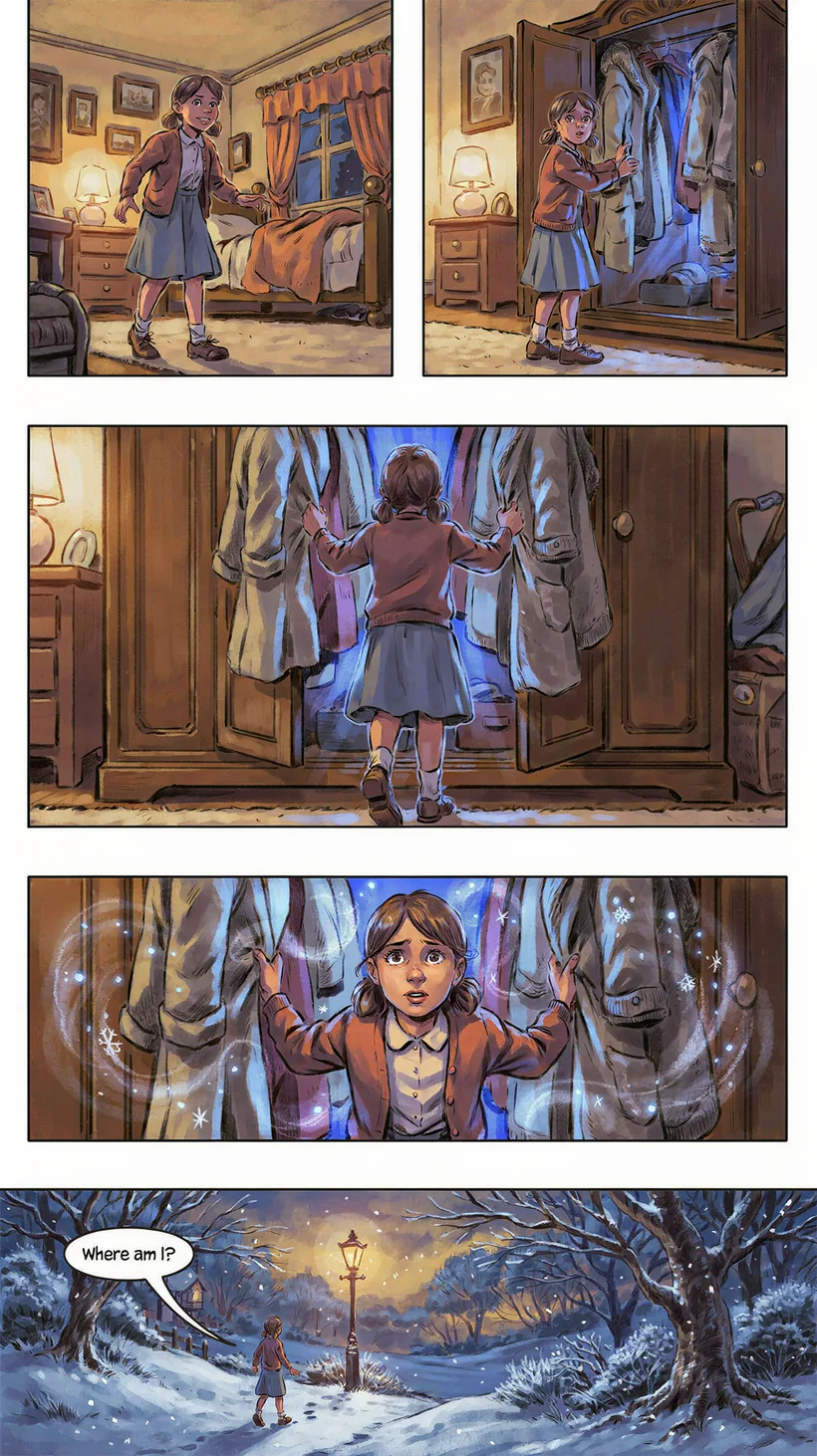 Rendered in Daodri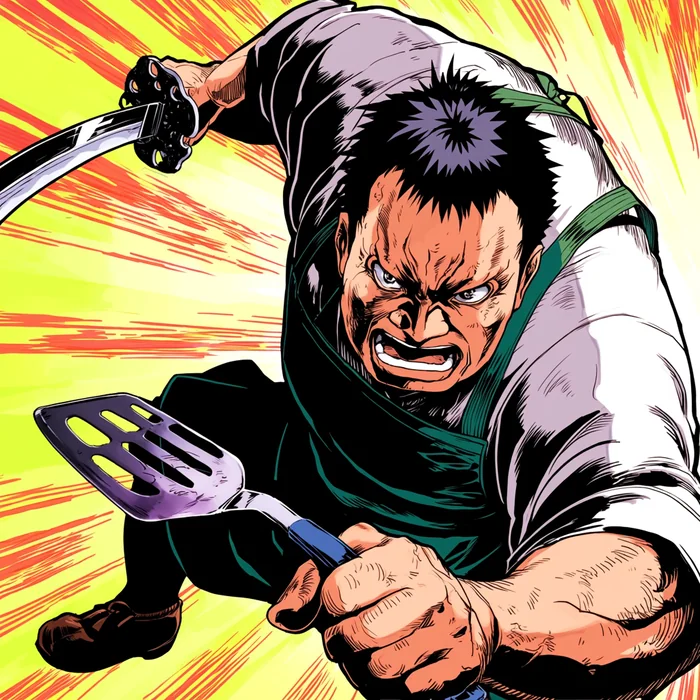
One chapter, fully drawn.
Made in Daodri
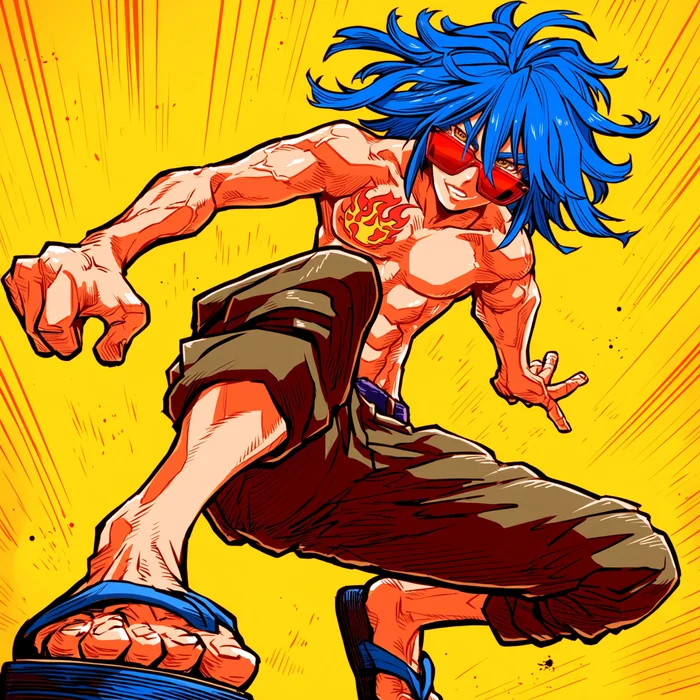
Cast and locations stay consistent across a chapter, so panels read as one comic instead of four lucky guesses. Every frame here came out of the same staged workflow.


Workflow
The product keeps decisions visible. Text, references, frame candidates, pinned panels, and render cost are separate states, so each chapter can be edited before money is spent.
Paste prose, dialogue, or script notes. Daodri breaks the chapter into workable beats without hiding the source material.
Create reusable character, location, item, and style references before the frames start drifting.
Review candidate frames, edit prompts, pin what matters, and reorder the sequence while the work is still cheap.
Render only pinned frames. Credits and active jobs stay visible before and during the expensive step.
Why it exists
A chapter needs continuity: character appearance, location logic, readable beats, panel order, and a budget. Daodri treats generated imagery as one step inside a studio workflow, not the whole product.
Keep frames as candidates until they earn a pin. Regenerate individual frames without restarting the chapter.
Characters, locations, items, and style notes live with the project so the next chapter starts with context.
Credits are not hidden behind a progress spinner. The render gate says what will render and what it costs.
Open the desk
Bring in a scene, define the cast, pin the frames that matter, and render after the sequence makes sense.